
Call us now :+8613902934258
 Send Inquiry
 Send Inquiry
XRay Inspection System
Price 8000 USD ($)/ Piece
MOQ : 1 Piece
XRay Inspection System Specification
- Capacity (Person)
- Single operator per unit
- Interface Type
- Touch screen interface, USB and Ethernet connectivity
- Usage
- Industrial product inspection, security checkpoint, laboratory analysis
- Support System
- Real-time monitoring, remote update capability
- Security Features
- Automatic alarm for irregular objects, high precision imaging, multiple-level access control
- Language Support
- Multi-language including English, Chinese
- Compatible System
- Windows, Linux
- Type
- Digital X-Ray Inspection System
- Application
- Automated detection of internal defects in products, quality control in manufacturing, and security screening
- Power Consumption
- 660W
- Operating Temperature Range
- 0°C to 40°C
- Display Type
- High-resolution LED display
- Inspecting Speed
- 0.2~0.3 m/s
- Software Features
- Automatic image enhancement, defect marking, real-time analysis
- Voltage Requirement
- 220V AC
- Weight
- 330 kg
- Alarm System
- Visual and audible alarm for suspicious objects
- Image Resolution
- Up to 1.5 mm minimum detectable size
- Product Dimensions
- 1200mm x 800mm x 1600mm
- Max Conveyor Load
- 150 kg
- Penetration Power
- Up to 32mm for steel
- Data Export Format
- JPG, PNG, PDF supported
- Safety Standard
- Meets international X-ray safety regulations
XRay Inspection System Trade Information
- Minimum Order Quantity
- 1 Piece
- Supply Ability
- 1 Piece Per Day
- Delivery Time
- 1-7 Days
About XRay Inspection System
NDT X Ray Inspection System is used as reliable apparatus to examine inner structure of any manufactured product (especially machine component) as part of its quality testing procedure. Non destructive testing methodologies followed by this inspection system are capable of checking any assembled component thoroughly to determine its design flaw. NDT X Ray Inspection System multi core CPU and GPU for rapid and efficient testing of machine parts. It can perform tasks like image acquisition and evaluation automatically for preparing report for future usage purpose.
Superior Imaging and Detection
This X-Ray Inspection System provides high-precision imaging with automatic defect marking and real-time analysis. Its minimum detectable size of 1.5 mm and image enhancement software ensure no irregularity goes unnoticed, supporting accurate quality control and security applications.
Efficient and Safe Operation
Complying with international X-ray safety regulations, the system incorporates a comprehensive alarm system and multi-level access controls. Its visual and audible alerts guarantee quick response when suspicious objects are detected, ensuring operator safety is never compromised.
Versatile Connectivity and Export Options
With USB and Ethernet interfaces, data can be exported in JPG, PNG, and PDF formats for easy documentation and sharing. This flexibility supports seamless integration into different operational setups and maximizes compatibility across Windows and Linux systems.
FAQ's of XRay Inspection System:
Q: How does the X-Ray Inspection System enhance quality control in manufacturing?
A: The system utilizes high-resolution imaging and automatic defect marking to detect internal faults as small as 1.5 mm, allowing operators to efficiently identify and address issues during the production process. Real-time analysis further streamlines decision-making, ensuring consistently high product standards.Q: What types of products and environments can this inspection system be used for?
A: It is designed for industrial product inspection, laboratory analysis, and security checkpoint applications. The unit's robust construction and precision detection capability make it suitable for inspecting various materials and products, especially in manufacturing lines and airports.Q: When should X-ray inspection be implemented during the production process?
A: X-ray inspection is recommended at critical quality checkpoints, either during intermediate product stages or as a final inspection before packaging and shipping. Early detection of defects helps prevent larger issues and reduces the risk of defective products reaching the market.Q: Where should the X-Ray Inspection System be installed for optimal performance?
A: Install the system in secure, controlled environments such as dedicated inspection areas in factories, laboratory settings, or security checkpoints. Ensure adequate space for operation, ventilation, and safety in alignment with its product dimensions and operating temperature range.Q: What is the process for operating the inspection system and exporting data?
A: Operators use the intuitive touch screen interface to start inspections. The software automatically enhances images, marks defects, and enables real-time analysis. Data can be exported in JPG, PNG, or PDF formats through USB or Ethernet for reporting or record-keeping.Q: How does the alarm system benefit security screening applications?
A: The integrated visual and audible alarm quickly notifies operators of suspicious objects or irregularities detected during the inspection. This prompt alert system, coupled with high precision imaging, heightens security and reduces response time to potential threats.Q: What support and security features are included with the system?
A: The system supports real-time monitoring, remote update capability, and multi-level access control, ensuring continual effectiveness and protection against unauthorized use. Its software features and alarms contribute to safe, reliable, and efficient inspection operations.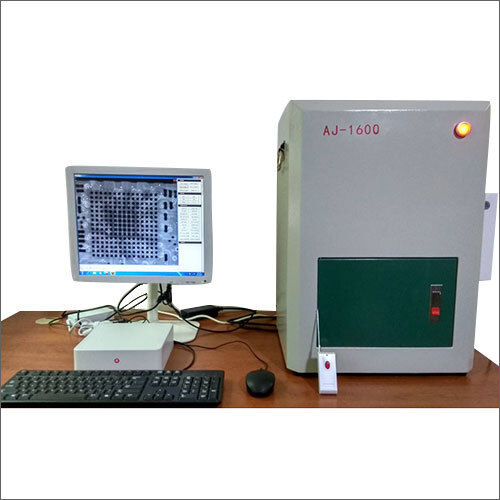
Tell us about your requirement

Price:
Quantity
Select Unit
- 50
- 100
- 200
- 250
- 500
- 1000+
Additional detail
Mobile number
Email

More Products in Industry Inspection Equipment And Crypto Currency Category
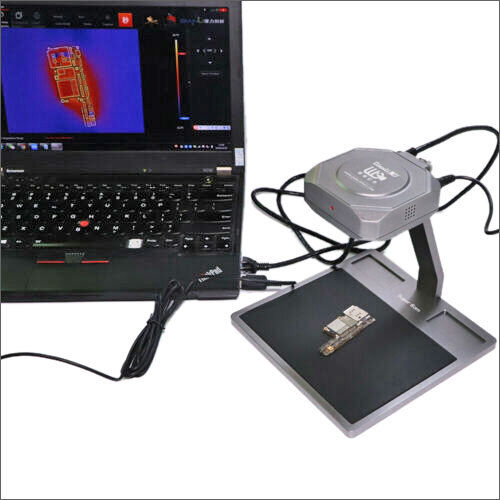
thermal Dual Camera
Price 500 USD ($) / Piece
Minimum Order Quantity : 1 Piece
Interface Type : Ethernet, RS485, HDMI, USB
Usage : Human body temperature detection, security monitoring
Type : Other, Dual spectrum thermal camera
Application : Temperature screening, perimeter surveillance, facility monitoring
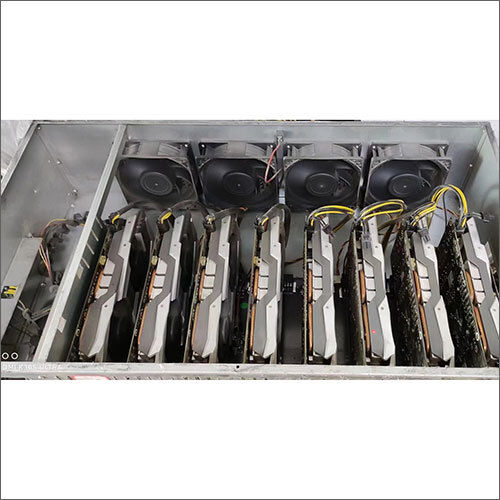
ETH Mining Rig Ethereum Miner
Price 1500 USD ($) / Piece
Minimum Order Quantity : 1 Piece
Interface Type : Ethernet
Usage : Professional Crypto Mining
Type : Other, GPU Mining Rig
Application : Ethereum Cryptocurrency Mining
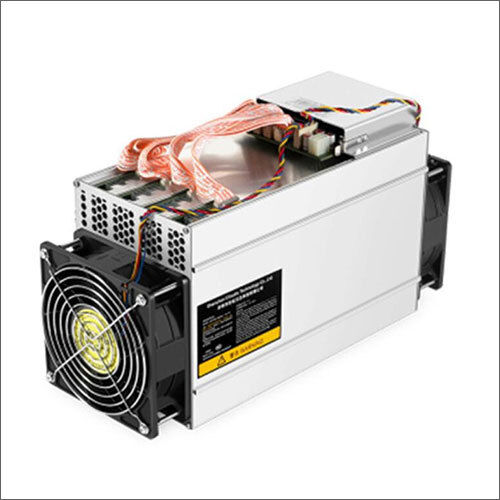
Antminer Scrypt Algorithm Miner
Price 1000 USD ($) / Piece
Minimum Order Quantity : 1 Piece
Interface Type : Ethernet port (RJ45)
Usage : Professional ASIC miner for Scrypt algorithm coins like Litecoin
Type : Other, Scrypt Algorithm ASIC Miner
Application : Cryptocurrency Mining
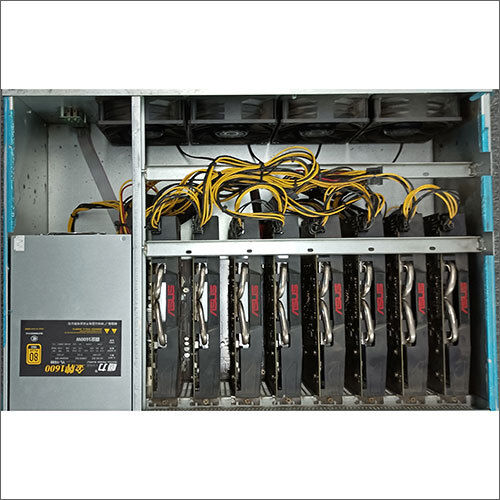
Mining Rig Ethereum Miner
Price 2000.00 USD ($) / Piece
Minimum Order Quantity : 1 Piece
Interface Type : PCI Express, USB
Usage : Industrial, Commercial
Type : Other, GPU Mining Rig
Application : Crypto Mining

 Send Inquiry
Our Products
- Intraoral Cameras
- Intraoral Camera with Screen Monitor
- X Ray Sensor and X-Ray Unit Equipment
- Network Software
- Shadowless LED Operating Light with Camera
- Industry Inspection Equipment
- PPE Products
- Industry Inspection Equipment And Crypto Currency
- All Dental Intraoral Cameras
- Intraoral Camera With All In One Touch Screen Moni
- Dental Portable X-Ray Sensor And X-Ray Unit Equipm
- Medical PPE Products

Add: #501, Building #D, Minle Science Park, Meiban Avenue, Longhua,Shenzhen - 518131, Guangdong, China

Mr. Solive Shao
(CEO)
Mobile :+8613902934258
 Send Inquiry
Developed and Managed by Infocom Network Private Limited.
